

bulletproof glass for cars
Steel Bar Caps in Building Construction Importance and Applications In the realm of building construction, the durability and strength of materials are of paramount importance. Steel bars, or rebars, are widely used to reinforce concrete structures, providing the necessary tensile strength to withstand various loads. However, the installation and performance of these steel bars can be significantly affected by environmental factors and the methods used during construction. This is where the concept of steel bar caps comes into play. Understanding Steel Bar Caps Steel bar caps, also known as rebar caps or rebar protectors, are protective devices designed to cover the exposed ends of steel rebar. These caps are typically made from durable materials such as plastic or metal and can come in a variety of shapes and sizes. The primary purpose of steel bar caps is to prevent injuries on construction sites, particularly from accidental contact with sharp or protruding rebar ends that can pose a safety hazard to workers. Safety Considerations in Construction Construction sites are inherently hazardous environments, and preventing workplace injuries is crucial for maintaining a safe work environment. The Occupational Safety and Health Administration (OSHA) has specific regulations regarding the handling of rebar, emphasizing the need for safety measures to protect workers. Unprotected rebars can lead to serious injuries, including puncture wounds or lacerations. By using steel bar caps, construction companies can significantly reduce these risks and improve overall site safety. Benefits of Using Steel Bar Caps 1. Injury Prevention The primary benefit of steel bar caps is the protection they provide against injuries. By covering sharp edges, these caps help prevent accidents that can lead to severe injuries or even fatalities on construction sites. steel bar cap in building construction 2. Cost-Effectiveness While there may be an upfront cost associated with purchasing rebar caps, the long-term benefits outweigh this initial investment . Reducing the number of injuries not only saves on medical costs but can also prevent potential project delays and liability claims. 3. Ease of Use Steel bar caps are designed for easy installation and removal. This ease of use ensures that workers can quickly apply these caps during the construction process without significantly slowing down operations. 4. Versatility Steel bar caps are available in various sizes and designs, making them suitable for different types of projects and applications. Whether used in residential buildings, commercial complexes, or infrastructure projects, there is a cap tailored to the specific needs of each construction site. Applications in Building Construction The application of steel bar caps is essential in various stages of building construction. During the pouring of concrete, rebar is often left exposed for splicing or anchoring purposes. In such scenarios, applying rebar caps becomes crucial to ensure worker safety. Additionally, in projects where rebar might be exposed for an extended period before the concrete is placed, the importance of using bar caps increases, as they prevent accidental injuries while the site is still open and active. Moreover, during inspections and site visits, the presence of rebar caps can signal a commitment to safety protocols. It demonstrates a proactive approach to mitigating risks associated with construction activities, thereby promoting safety culture on-site. Conclusion In conclusion, steel bar caps are a vital accessory in building construction, serving the essential function of protecting workers from injury while also enhancing the overall safety of construction practices. As the construction industry continues to prioritize safety and efficiency, adopting tools such as steel bar caps reflects a commitment to creating safer work environments. By implementing these protective measures, construction companies can not only safeguard their workers but also contribute to the timely and successful completion of construction projects. Investing in safety is investing in the future, and steel bar caps play a crucial role in this endeavor.
about
bulletproof glass for cars
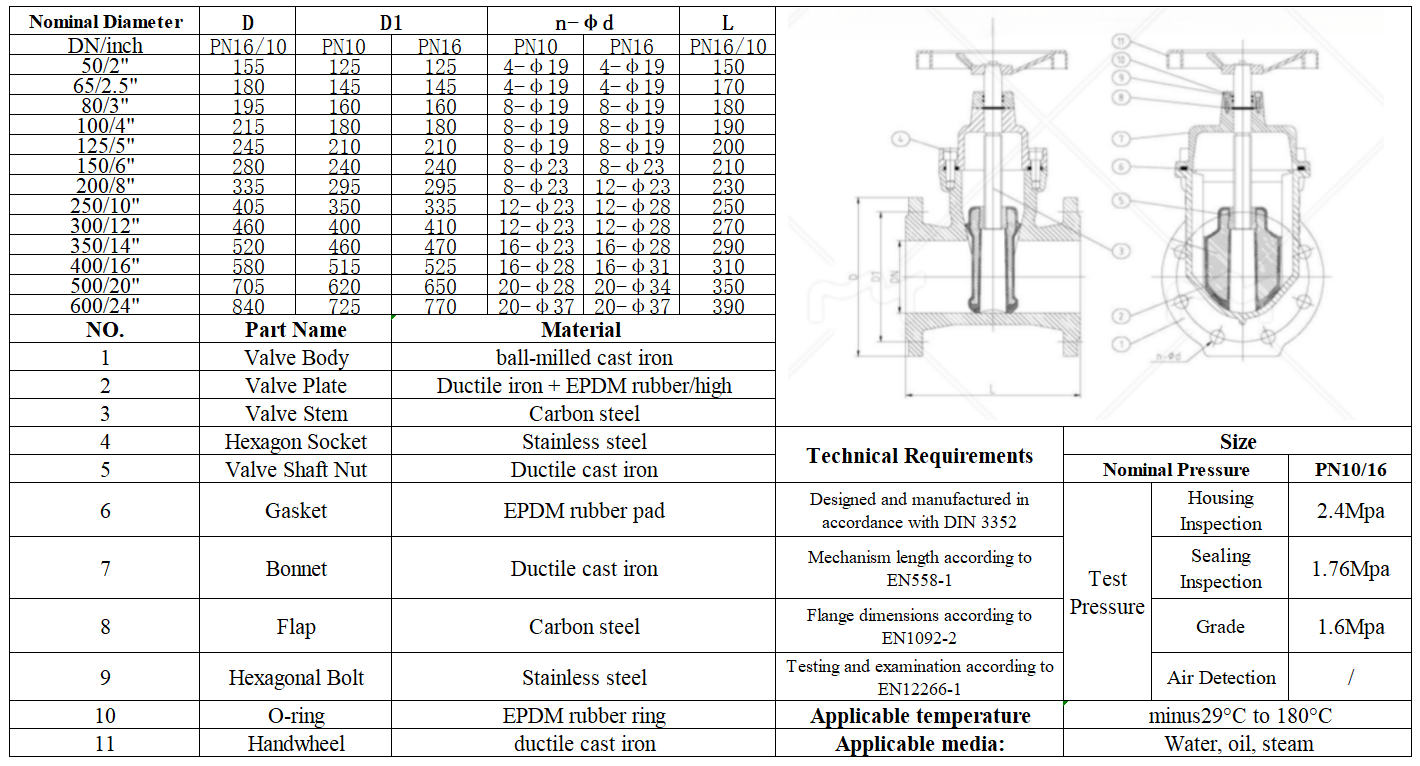
Different Types of Water Control Valves Water control valves are essential components in various piping systems, used to manage the flow and pressure of liquids in applications ranging from industrial processes to residential plumbing. Understanding the different types of water control valves is crucial for selecting the appropriate valve for a specific application. 1. Gate Valves Gate valves are primarily used for on/off control. They allow for full flow of water when fully opened and provide minimal resistance. However, they are not suitable for throttling applications since partially opened gate valves can cause turbulence and damage the seat. They are generally used in systems where the flow needs to be fully stopped or started. 2. Globe Valves Globe valves are designed for throttling flow. The internal design allows for better control of the flow rate, making them ideal for regulating water in pipelines. They have a higher pressure drop than gate valves due to their internal construction, but they provide excellent sealing capabilities and can effectively control flow in various applications. 3. Ball Valves Ball valves offer quick and reliable on/off control. They feature a spherical disc (the ball) that rotates to either allow or block flow. Ball valves are known for their durability and ability to seal tightly, making them an excellent choice for both residential and industrial applications. They can also be used in throttling applications, but not as effectively as globe valves. types of water control valves 4. Butterfly Valves Butterfly valves are compact and lightweight, making them suitable for larger pipe sizes and applications requiring space-saving solutions. They use a rotating disc to regulate flow, providing a quick shut-off and good throttling capabilities. Commonly found in water distribution systems and wastewater management, butterfly valves are valued for their efficiency and ease of operation. 5. Check Valves Check valves are non-return valves that allow water to flow in one direction only. They prevent backflow, protecting pumps and other systems from damage. Check valves come in various designs, such as swing, lift, and ball types, each tailored to specific applications and flow requirements. 6. Pressure Reducing Valves These valves are crucial for maintaining consistent pressure levels in a system. By reducing the incoming pressure of a fluid to a manageable level, pressure reducing valves protect downstream equipment, ensuring efficiency and longevity. Conclusion Selecting the right type of water control valve depends on the specific requirements of the system, including flow control, pressure management, and space considerations. Each type of valve has its unique advantages and appropriate use cases, and understanding these can lead to more effective system design and improved operational efficiency. Whether for residential plumbing or large-scale industrial use, the right valve can make all the difference in maintaining an efficient and reliable water control system.
-

High quality industrial productsagement

High quality industrial products
View Details -

Meet the diverse needs of customers

Meet the diverse needs of customers
View Details -

Strict quality control

Strict quality control
View Details -

Top raw materials

Top raw materials
View Details -

Trusted supplier

Trusted supplier
View Details
Our application

news and information
Water control valve
Understanding Water Control Valves Function, Types, and Applications Water control valves are pivota
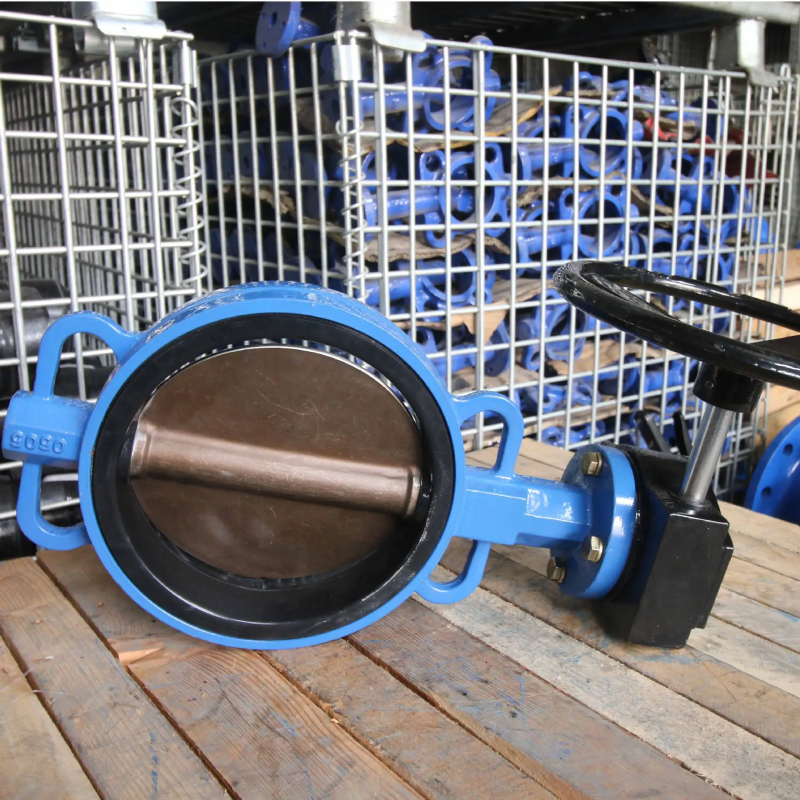
Wholesale Options for High-Quality Butterfly Valves at Competitive Prices
The Rise of Butterfly Valve Wholesale A Comprehensive Overview In the realm of industrial applicatio
válvula de retenção de água unidirecional
Válvula de Retenção de Água Unidirecional Funcionamento e Aplicações As válvulas de retenção de água
 English